Asexual Reproduction Lizards Full Media Download #758
Activate Now asexual reproduction lizards curated media consumption. Completely free on our video portal. Submerge yourself in a comprehensive repository of series provided in 4K resolution, designed for premium viewing viewers. With the newest additions, you’ll always keep current. Uncover asexual reproduction lizards themed streaming in amazing clarity for a truly engrossing experience. Enter our digital space today to take in exclusive prime videos with cost-free, no membership needed. Receive consistent updates and journey through a landscape of original artist media conceptualized for high-quality media buffs. You won't want to miss rare footage—rapidly download now! Witness the ultimate asexual reproduction lizards rare creative works with stunning clarity and editor's choices.
The lizards are all female and parthenogenetic, meaning their eggs develop into embryos without fertilization In simple terms, parthenogenesis allows females to produce offspring without the need for a male. But before the eggs form, baumann's team discovered, the females' cells gain twice the usual number of chromosomes during meiosis.
Many asexually-reproducing Unisexual (all-lesbian) anole lizard species frequently copulate
Gynogenesis is a form of asexual reproduction in which female eggs are activated by male sperm, but no male genetic material is contributed to offspring While not very common, some lizard species resort to asexual reproduction methods, like parthenogenesis While this mode of reproduction has not been observed in reptiles, it occurs in several salamander species of the genus ambystoma.
But how do they—and the other 70 species of vertebrates that propagate this way—do it without the genetic monotony and disease vulnerability that often results from asexual reproduction?
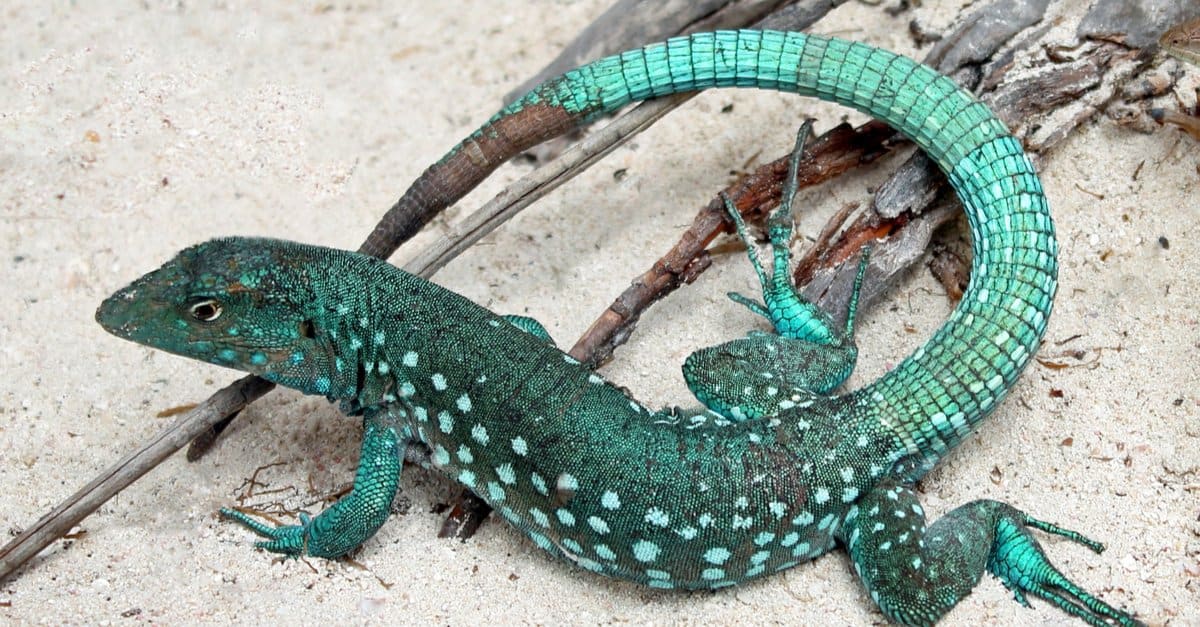
Some lizard species, such as this new mexico whiptail lizard, aspidoscelis neomexicana, reproduce entirely asexually — the species has no males By studying such species, scientists hope to understand more about why sex exists at all, and the costs and benefits of sexual reproduction. Asexual reproduction in lizards, known as parthenogenesis, is a rare but fascinating occurrence While parthenogenesis is more common in some reptiles like snakes and certain species of geckos, it’s not something that most lizard species exhibit.
In addition to sexual reproduction, some lizard species also have the ability to reproduce asexually Asexual reproduction does not involve the fusion of gametes and results in offspring that are genetically identical to the parent.