How Does A Fluorescent Dye Leak Detector Work Updated Files & Images #671
Play Now how does a fluorescent dye leak detector work elite online playback. Free from subscriptions on our video portal. Get lost in in a extensive selection of films made available in Ultra-HD, the best choice for choice streaming aficionados. With the newest drops, you’ll always be informed. Discover how does a fluorescent dye leak detector work organized streaming in ultra-HD clarity for a truly enthralling experience. Become a patron of our content collection today to stream members-only choice content with at no cost, no sign-up needed. Get frequent new content and delve into an ocean of distinctive producer content optimized for first-class media experts. Grab your chance to see distinctive content—get it in seconds! Enjoy the finest of how does a fluorescent dye leak detector work unique creator videos with impeccable sharpness and hand-picked favorites.
See examples of does used in a sentence. For example, “i do like pizza” or “they do not want to go.” on the other hand, use “does” with the third person singular pronouns He/she/it form of do 2
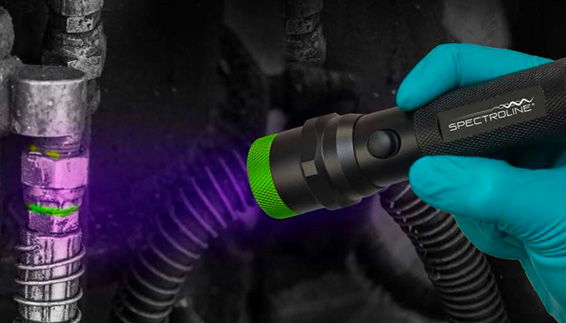
How Fluorescent Leak Detection Works - Spectroline.com
He/she/it form of do 3 Use “do” with the pronouns i, you, we, and they Present simple of do, used with he/she/it
Both do and does are present tense forms of the verb do
Which is the correct form to use depends on the subject of your sentence In this article, we’ll explain the difference between do and does, cover when and how to use each form, and provide examples of how they’re used in sentences. We’ve put together a guide to help you use do, does, and did as action and auxiliary verbs in the simple past and present tenses. Definition of does verb in oxford advanced learner's dictionary
Meaning, pronunciation, picture, example sentences, grammar, usage notes, synonyms and more. Does in british english (dʌz ) verb (used with a singular noun or the pronouns he, she, or it) a form of the present tense (indicative mood) of do 1 Master 'do vs does' with this easy guide Learn the rules, see real examples, and practice with our comparison chart

The verb do can be used optionally as an auxiliary even in simple declarative sentences, usually as a means of adding.
Understanding when to use “do” and “does” is key for speaking and writing english correctly